
Peppermint Monograph
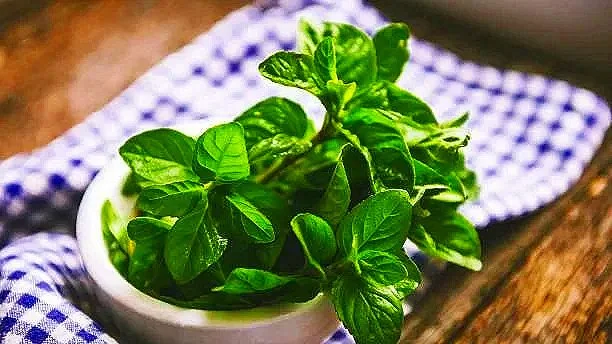
Botanical Name: Mentha x piperita
Common Names: peppermint, mint, lamb mint
Family: Lamiaceae
Parts Used: Leaf
Native Region: Europe to Central Asia
Geographic Distribution: Globally in temperate regions
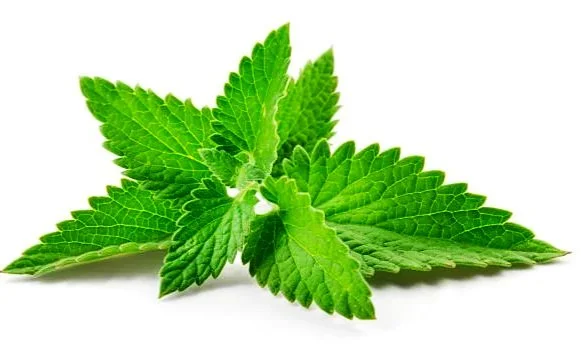
Botanical Description: Herbaceous perennial 30 – 90cm tall and having a slight fuzz. The stem is square (like all plants in the Lamiaceae family). Leaves are arranged oppositely and serrated, and they have reddish veins.
Harvesting Guidelines: May be harvested at any time. Look for fresh vibrant aerial parts.
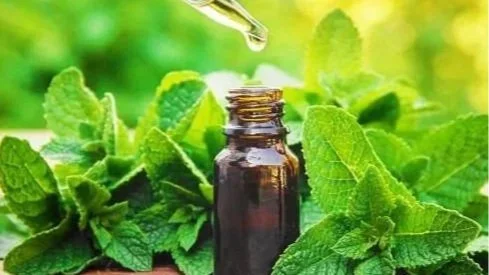
Constituents: Volatile oils – menthol and menthone, flavonoids – luteolin and menthoside, phenolic acids, and triterpenes. (1)
Uses: Can be used internally and externally
Internal Uses:
Digestive Support: (tea or mints) (2)(4)
Indigestion or abdominal spasms
increases bile production
carminative
Enteric – coated peppermint oil capsules can be antispasmodic (except for colitis)
Respiratory Support: (2)
Strong brewed peppermint tea or diluted peppermint oil can be inhaled to sooth cough and congestion
External Uses: (4)
Mood, mind and headache
Diluted oil rubbed on the temples and/or forehead may help headache
May improve memory and alertness
May enhance cognitive function
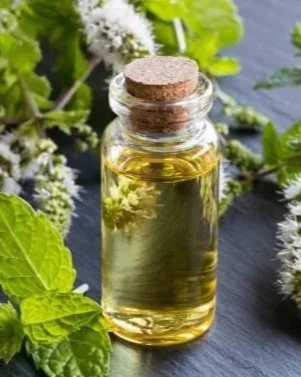
For skin
Diluted peppermint oil can soothe skin. The active compound menthol creates a cooling sensation that can relieve sunburn, bug bites, and general skin irritation
**Always dilute with a carrier oil and perform a patch test**
Actions: anodyne. aromatic carminative, antispasmodic, diaphoretic, stimulating nervine, anti-emetic (4)
Preparations: tincture, infusion, essential oil, oil capsules (3)
Taste: pungent, cooling, sweet (3)
Energy: warming to cooling, drying
Dosage: Tincture - (1:5; 45%) 1-3ml 3x/day
Infusion - 3-6g 3x/day
Safety Issues: (2)
• Tannin content may cause GI irritation
• Peppermint oil may cause contact dermatitis
Contraindications: (2)
• Bile duct obstruction
• Gastrointestinal reflux
• Liver damage
• Constipation
• Gallbladder inflammation
• Iron – deficiency anemia
Every herb holds both healing and magic.
Step into the mystical side of lavender in our
to eplore its spirit, symbolism, and spellwork.
References
(1) Chevalier, A (2000) Encyclopedia of Herbal Medicine (2nd edition)
(2) Herbarium.theherbalacademy.com
(3) Herbalreality.com
(4) Learningherbs.com
🌿 Disclaimer
Cronefire Creations™ shares herbal information for educational and inspirational purposes only. It is not intended as medical advice. Please consult a qualified healthcare professional before using herbs, especially if pregnant, nursing, or taking medication.
Offer whatever name you wish to be known by at the hearth today — real or imagined — we look forward to welcoming your words into the circle.