
Juniper Monograph
Botanical Name: Juniperus spp.
Common Name: Juniper
Family: Cupressaceae
Traditional Chinese Medicine Name: Du song/ Dusong zi (1)
Ayurvedic Name: Hapusa (1)
Parts Used: ripe berries, leaves
Native Region: Europe, Southwestern Asia, and North America
Geographic Distribution: Can be grown in a wide range of climates though it does not like extreme climates (1)
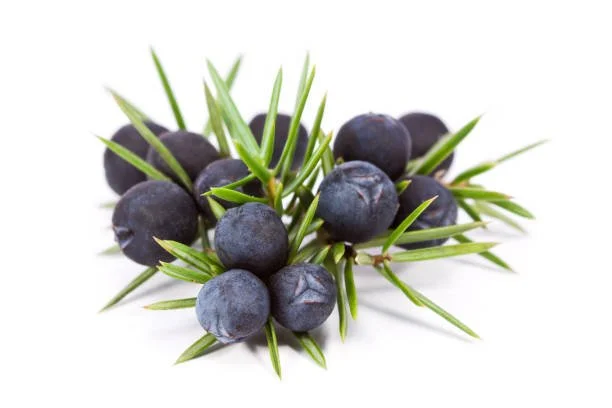
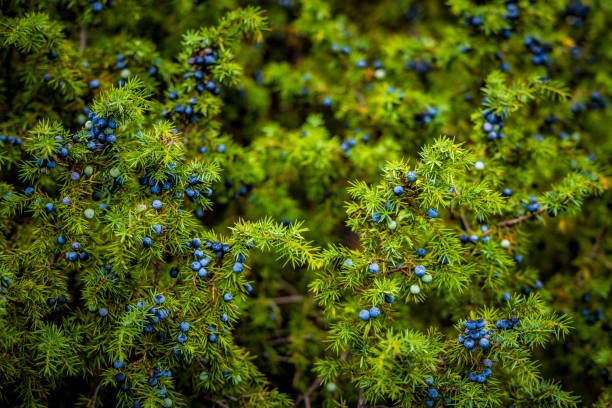
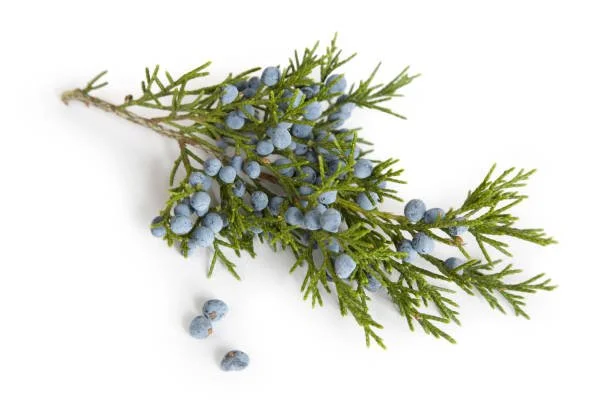
Botanical Description: Coniferous shrub that can grow to 50ft. It has slender twigs with needle-like leaves arranged in wholes. Male flowers are yellow and female flowers are blue growing on separate plants. The fruit is spherical and blue-black in color. (2)
Harvesting Guidelines: Collect berries when ripe and are blue to silvery purple in color.
Constituents: Volatile oils (myrcene, sabinene, alfa and beta-pyrene, camphene, limonene), condensed tannins, diterpenes, flavonoids (amentoflavone, quercetin, isoquercetin, apigenin), vitamin C (2)
Uses:
Strong antiseptic for the urinary tract (2)
Helps relieve fluid retention (2)
Can ease colic and support stomach function (2)
Helpful for chronic arthritis, gout, and rheumatic conditions (2)
Antimicrobial for the genitourinary tract (3)
Can help upper respiratory and gastrointestinal tract infections (1)
Effective against vaginal and urinary tract infections (1)
Can be used as an anti-inflammatory (1)
May help lower blood sugar (1)
Actions: tonic, diuretic, antirheumatic, antimicrobial, anti-catarrhal, anti-fungal, anti-inflammatory, antioxidant, carminative, hypoglycemic
Preparations and Dosage:
Juice: 1-3tsp fresh juice of aerial parts 3x/day
Tincture: 1-4mL (1:5, 40%) 3x/day
Taste: bitter, pungent sweet
Energy: drying and warming
Contraindications: Not recommended for people with kidney problems. Avoid high doses and long-term use. Use caution in hypoglycemic or diabetic people. Do not use during pregnancy.
While juniper’s medicinal properties support the body’s natural elimination pathways, its deeper significance lies in its long-standing role as a plant of purification and protection. Exploring its symbolism offers a fuller understanding of how its medicine works on multiple levels.
To explore juniper’s role in cleansing, protection, and renewal, visit the companion blog post, “Juniper — The Purifier.”
References:
Chevallier, A (2000) Encyclopedia of Herbal Medicine (2nd edition)
Hoffman, D (2003) Medical Herbalism
🌿 Disclaimer
Cronefire Creations™ shares herbal information for educational and inspirational purposes only. It is not intended as medical advice. Please consult a qualified healthcare professional before using herbs, especially if pregnant, nursing, or taking medication.
Offer whatever name you wish to be known by at the hearth today — real or imagined — we look forward to welcoming your words into the circle.