
Rosemary Monograph
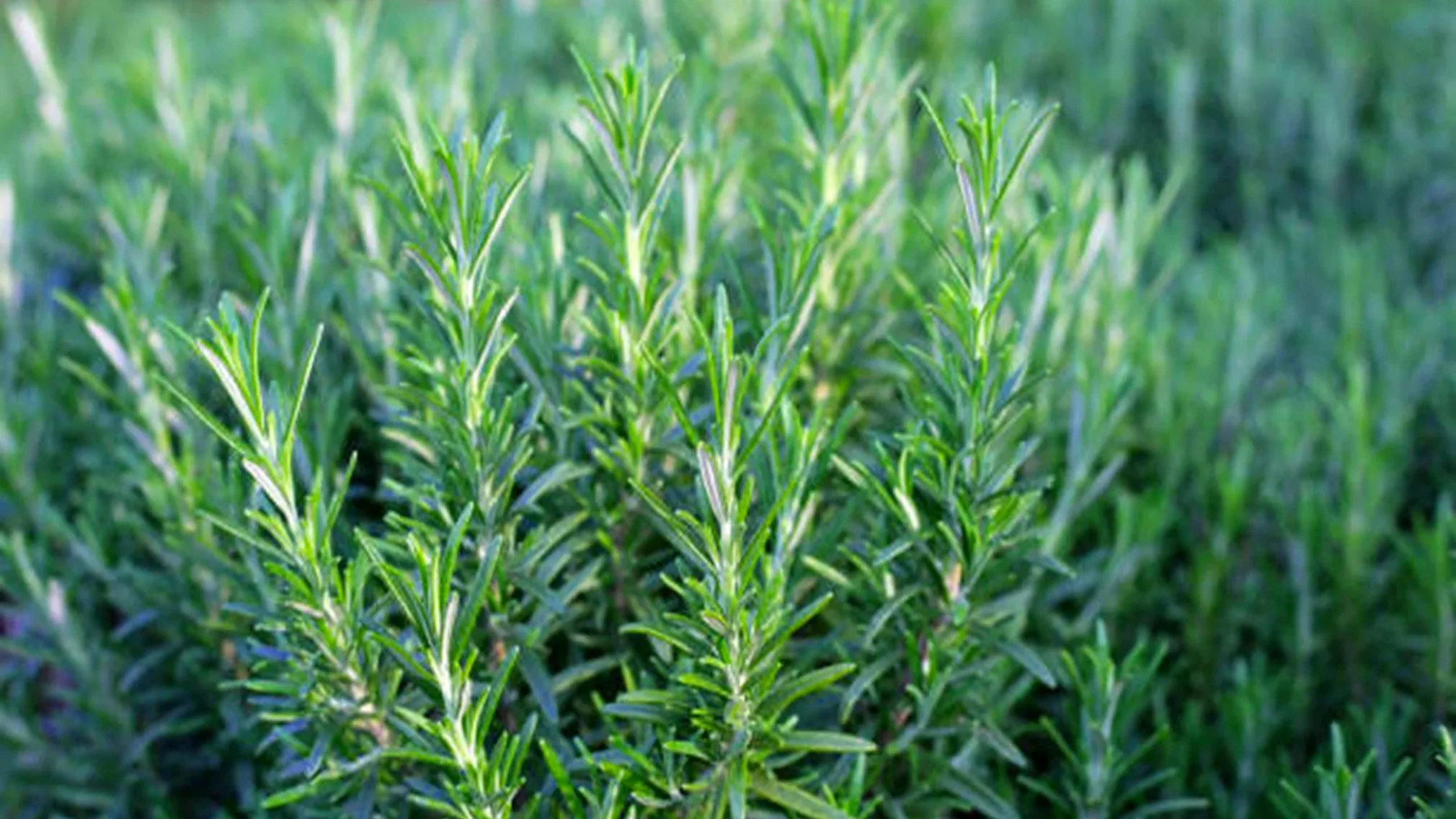
Botanical Name: Salvia rosmarinus (aka Rosmarius officinalis)
Common Names: Rosemary, Polar Plant, compass weed, compass plant, dew of the sea
Family: Lamiaceae
Parts Used: aerial parts
Native Region: Mediterranean
Geographic Distribution: Cultivated worldwde in warm climates
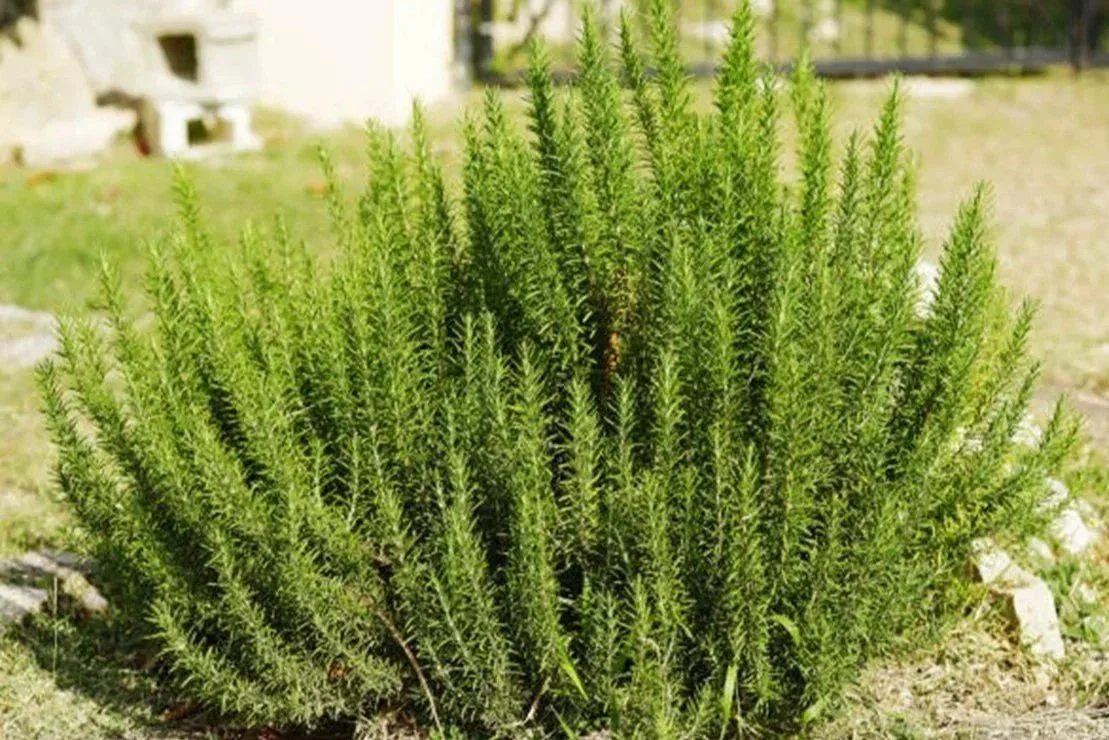
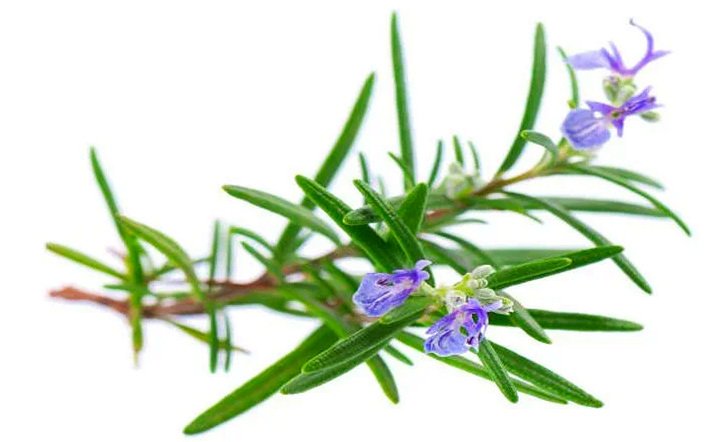
Botanical Description: Strongly aromatic evergreen shrub (perennial), narrow, dark-green pinelike lanceolate leaves arranged opposite around a square stem, growing 2 – 6 feet tall. (1)(2)
Harvesting guidelines: Plants can be harvested on a continuous basis
Constituents: Volatile oil (borneol, camphene, camphor, cineole), flavonoids (apigenin, diosmas), tannins, rosmarinic acid, diterpenes, rosmaricine. (1)
Uses:
Neutralizes free radicals preventing oxidative stress
Relieves chronic inflammatory conditions
Relieves stress and depression (3)
Antimicrobial
Circulatory stimulant, mainly to the head improving memory and concentration (6)
Restorative to aid recovery from long-term stress and chronic illness (1)
May lower blood sugar levels
May protect vision and eye health by slowing age-related macular degeneration and delaying the onset of cataracts
Eases flatulence and bloating
Essential oil can be inhaled as an expectorant to shift stubborn mucus and catarrh (6)
Used externally may improve circulation to the affected area, reducing pain, inflammation and fluid retention
Actions: antioxidant, anti-inflammatory, tonic, stimulant, astringent, nervine (1)(3)
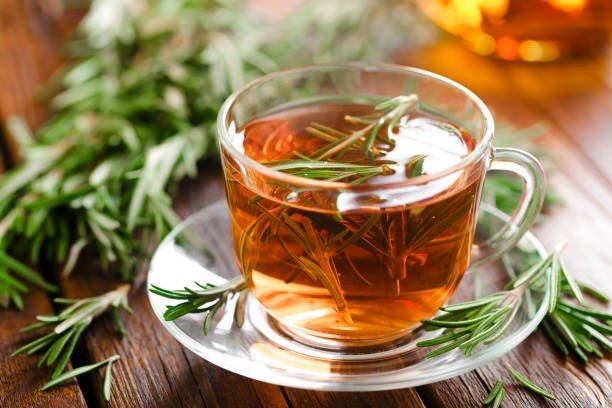
Preparations: Food, infused oil, infused vinegar, tincture, tea, essential oil
Taste: bitter (mild), pungent, slightly sweet (2)
Energy: warming, drying, stimulating, and restorative (2)
Dosage:
Tincture (1:5; 40%) 1 – 2mL 3 x/day
Infusion: 1 – 2 tsp dried herb in 1 cup boiling water steeped 10 – 15 minutes 3x/day (5)
Contraindications/Side Effects:
May interact with ACE inhibitors, diuretics, anticoagulants and lithium (4)
Pregnant women should only use culinary amounts
Every herb holds both healing and magic.
Step into the mystical side of rosemary in our
to eplore its spirit, symbolism, and spellwork.
References:
(1) Chevalier, A (2000) Encyclopedia of Herbal Medicine (2nd edition)
(2) Herbarium.theherbalacadamy.com
(3) Medicalnewstoday.com
(4) Healthline.com
(5) Hoffman, D (2003) Medical Herbalism (1st edition)
(6) Herbalreality.com
🌿 Disclaimer
Cronefire Creations™ shares herbal information for educational and inspirational purposes only. It is not intended as medical advice. Please consult a qualified healthcare professional before using herbs, especially if pregnant, nursing, or taking medication.
Offer whatever name you wish to be known by at the hearth today — real or imagined — we look forward to welcoming your words into the circle.