
Dandelion Monograph
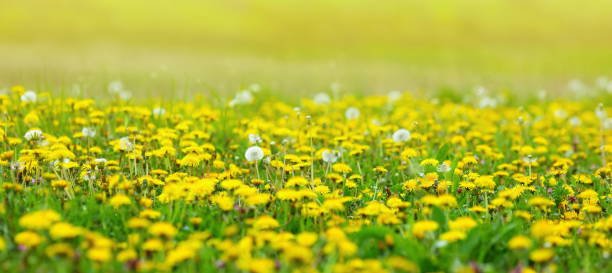
Botanical Name: Taraxacum officinale
Common Name: Dandelion, blowball, cankerwort, Irish daisy, monk’s head, priest’s crown, swine snout, wild endive, witch gowan, and yellow gowan (1)

Family: Asteraceae
Traditional Chinese Medicine Name: Pu gong ying (1)
Ayurvedic Name: Simhadanti (1)
Parts Used: Entire plant
Native Region: Eurasia (2)
Geographic Distribution: North America, South America, Europe, southern Africa, New Zealand, Australia, and India (1)
Botanical Description: An herbaceous perennial wildflower or weed. It has a deep taproot that can grow through compacted soil. It is fast spreading, generally by seed. (2) There is a rosette of leaves at the base; a smooth hollow stem and leaves may be nearly smooth-margined, toothed, or deeply cut. There is a solitary yellow composite flower head composed of only ray flowers. The fruit is a ball-shaped cluster of many small, tufted, one-seeded fruits. (3)

Harvesting Guidelines: For less bitter leaves, harvest the first green leaves in the spring. The whole plant can be harvested all season by cutting below the crown at ground level. Harvest the taproot in the spring for a more bitter root and in the fall for a sweeter root.
Constituents: Vitamins A and B. Leaf: calcium, potassium, iron, carotenoids, coumarins. Root: potassium, calcium, phenolic acids, taraxocoside, inulin (1)
Uses:
Supports detoxification (4)
Supports liver and spleen health (4)
May help a range of digestive issues including dyspepsia and gastritis (4)
Helps with conditions affecting the kidney, gallbladder, uterus and lungs (4)
Can reduce inflammation (5)
May help lower blood pressure (5)
Can be helpful in the regulation of lipids and sugar metabolism (5)
May reduce triglyceride levels (5)
The antioxidants help neutralize free radicals (6)
May help manage type 2 diabetes by decreasing blood sugar levels (6)
Actions: Anti-inflammatory, alterative, aperient, bitter, cholagogue, diuretic, hepatic, nutritive, tonic
Preparations: Infusion (leaf), decoction (root), tincture, fresh leaves may be eaten steamed or raw
Taste: Bitter, slightly sweet, leaf – slightly salty
Energy: Cooling and drying
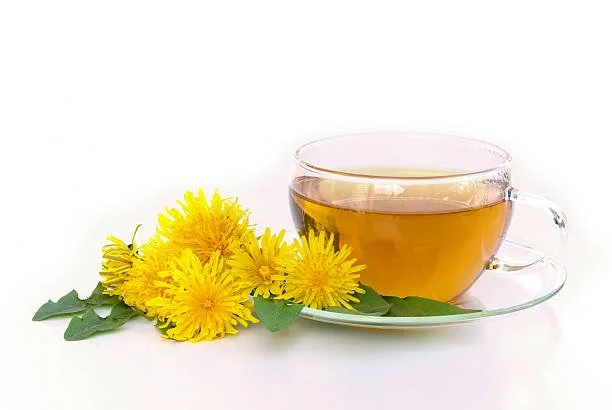
Dosage:
Root:
Decoction: 2-3 teaspoons simmered in water 10-15 minutes 3x/day
Tincture: 2.5mL of (1:5,60%) 3x/day
Leaf:
Infusion: 1-2 teaspoons dried in 1 cup boiling water for 15 minutes 3x/day
Tincture: 5-10mL of (1:5,50%) 3x/day
Safety: May cause reaction in people very sensitive to the Asteraceae family. Avoid taking on diuretics or blood thinners.
Contraindications: Do not take in instances of acute gastric inflammation
While this monograph speaks to dandelion’s physical medicine, her story reaches beyond the body. If you’d like to explore the emotional and spiritual lessons of this resilient plant, visit the companion blog post, Dandelion — The Reclaimer.
References:
🌿 Disclaimer
Cronefire Creations™ shares herbal information for educational and inspirational purposes only. It is not intended as medical advice. Please consult a qualified healthcare professional before using herbs, especially if pregnant, nursing, or taking medication.
Offer whatever name you wish to be known by at the hearth today — real or imagined — we look forward to welcoming your words into the circle.