
Sage
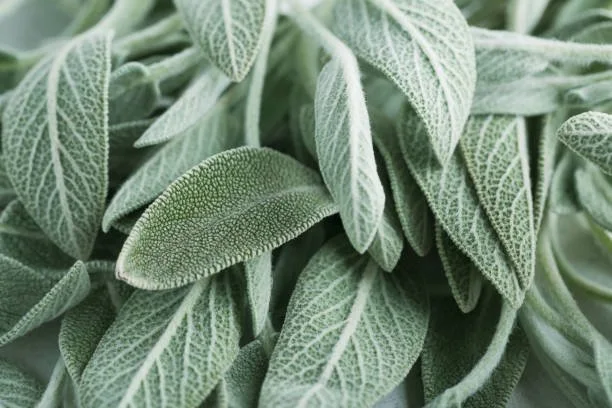
Botanical Name: Salvia officinalis
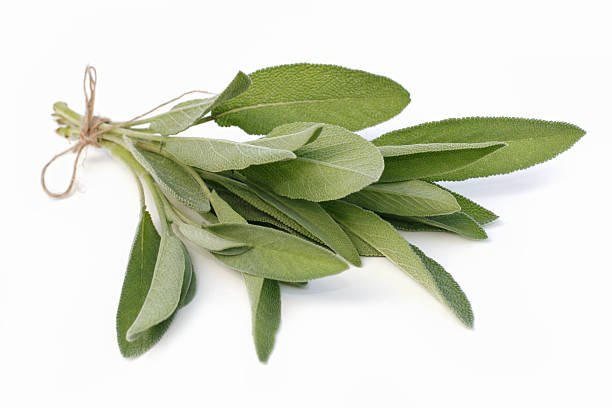
Common Name: sage, garden sage
Family: Lamiaceae
Parts Used: Leaf
Native Region: Mediterranean (2)
Geographic Distribution: Cultivated worldwide
Botanical Description: A woody perennial shrub that can grow up to 2 ½ ft tall but
many cultivars are shorter. Leaves are opposite and vary in color from gray, green,
purple, or golden and are slightly fuzzy. Stems become woody in the 2nd year. (5)
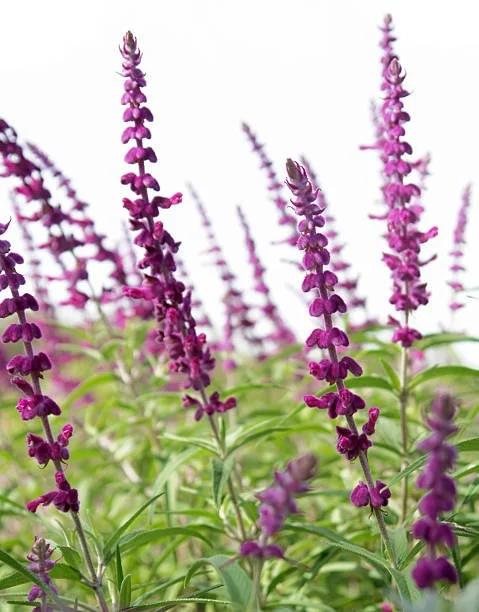
Harvesting Guidelines: The longest stems can be harvested after June in temperate
climates, and leaves can be harvested year-round. (1)
Constituents: Beta – carotene, vitamins B1, B2, B3
and C, calcium, iron, magnesium, volatile oils (thujone,
borneol, cineol, camphor, pinene, salvinia), flavonoids,
tannin, phenolic acids (rosmarinic, caffeic, labiatic),
phytoestrogens, resin (1)
Uses:
As a bitter to stimulate digestive secretions (1)
As a choleretic to increase the flow of bile which improves the digestion of fats (1)
As a carminative to ease flatulence (1)
Can help with hyperhidrosis (4)
May help improve memory and senses (4)
Antiseptic properties that may help digestive problems, sore throats, and ulcers (7)
Can help after insect bites (7)
May help with skin throat, mouth or gum infections (7)
Actions: Astringent, antiseptic, anticatarrhal (2), anti-inflammatory, antimicrobial, antispasmodic, carminative, immunomodulant, nervine vulnerary (1)Preparations: Infusion or tincture
Dosage:
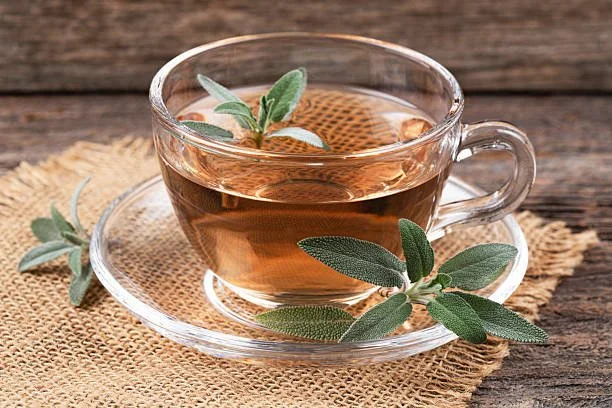
Infusion – 1-2 tsp dried herb in 8oz boiling water 3x/day (for menopausal night sweats and hot flashes during 1-2 cups during the day and 1 cup 1-2 hours before bedtime)
Tincture – 2-4ml (1:5, 40%) 3x/day
Taste: Astringent, bitter, pungent
Energy: Drying and warming
Contraindications: Considered generally safe. Does contain thujone and in high doses may adversely affect those with epilepsy, high blood pressure, and kidney disease. Avoid during pregnancy and breastfeeding.
Ready to wander deeper into the garden?
Visit the Heart & Spirit Series to meet the herbs of love, joy, dreams, and wisdom.
References:
Chevallier, A (2000) Encyclopedia of Herbal Medicine (2nd edition
https://www.herbalreality.com/herb/sage/
https://heritagegarden.uic.edu/sage-salvia-officinalis
🌿 Disclaimer
Cronefire Creations™ shares herbal information for educational and inspirational purposes only. It is not intended as medical advice. Please consult a qualified healthcare professional before using herbs, especially if pregnant, nursing, or taking medication.
Offer whatever name you wish to be known by at the hearth today — real or imagined — we look forward to welcoming your words into the circle.