
Hawthorn Monograph
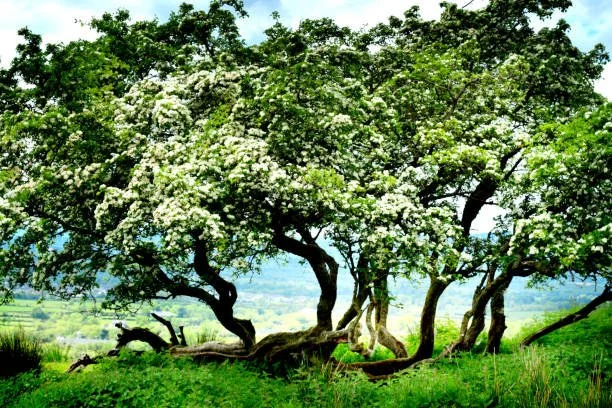
Botanical Name: Crataegus spp.
Common Name: May Queen, Hawthorn, thornapple, mayblossom, mayhaw, may tree, whitehorn, hawberry, hagthorn, ladies’ meat, gazels, halves, bread and cheese tree (1)
Family: Rosaceae
Traditional Chinese Medicine Name: Shānzā (C. pinnatifida)
Ayurvedic Name: Ban-sangli
Parts Used: flower, leaf, pomes (berries) fresh or dried
Native Region: North America, North Africa, Europe and Asia
Geographic Distribution: Can be grown in temperate climates
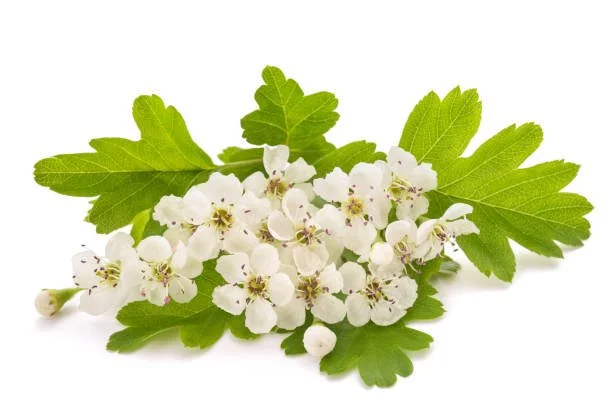
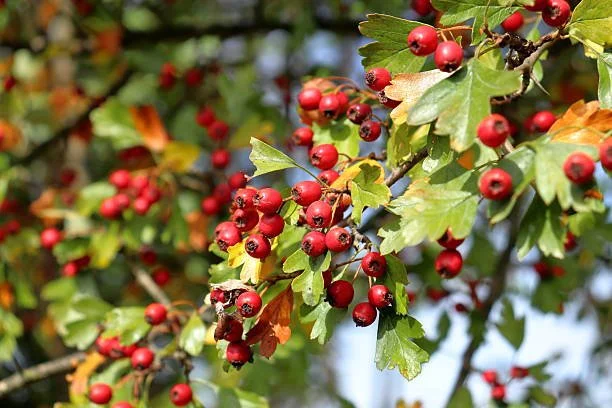
Botanical Description: Trees can grow from 3-49 feet tall with thorned branches. Flowers are grouped in inflorescences of 5-30 flowers and are usually white. Berries (technically pomes) are usually bright red and appear in the fall. Leaves are toothed, and some can be deeply lobed and can be elliptic or oval shaped.
Harvesting Guidelines: Flowers and leaves can be harvested in the spring and berries in the fall.
Constituents: Bioflavonoids (rutin, quercetin), triterpenoids, proanthocyanins, polyphenols (tannins), coumarins, amines (trimethylamine – in flowers only) (2)
Uses:
Classic Cardiotonic – leaf, flower and berry are all beneficial to the heart (1)
Cardiac trophorestorative (leaf, flower and berry) (1)
May help with cases of angina, early-stage congestive heart failure and atherosclerosis (1)
Can help support the heart following a heart attack (1)
Increases blood flow to the heart muscle and may restores normal heartbeat (2)
Several studies have confirmed its value in treating chronic heart failure (2)
May regulate blood pressure (2)
When combined with ginko, may enhance poor memory (2)
It is a major anti-inflammatory (3)
It is a true herbal diuretic (3)
Actions: anti-inflammatory, antioxidant, astringent, cardiotonic, diuretic, hypotensive, nervine, dilates blood vessels, relaxant
Preparations and Dosage:
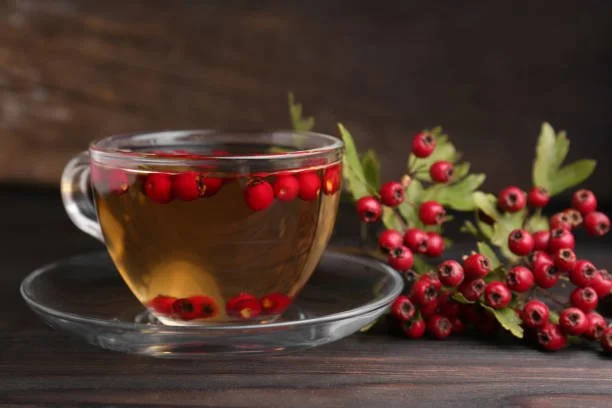
Infusion: 0.75-6g dried aerial parts per day divided into 1-3 doses
Berry tincture: 2.5mL (1:5,40%) 3x/day as maintenance and up to 5mL 3x/day for acute conditions
Taste: sour, sweet
Energy: drying, cooling (TCM), warming (Ayurveda)
Caution: A prick from a thorn may cause infection or septic arthritis (1)
Every plant teaches on more than one level. To explore hawthorn’s wisdom of guarded openness and enduring love, step into the companion blog post.
References:
Chevallier, A (2000) Encyclopedia of Herbal Medicine (2nd edition)
Hoffman, D (2003) Medical Herbalism
🌿 Disclaimer
Cronefire Creations™ shares herbal information for educational and inspirational purposes only. It is not intended as medical advice. Please consult a qualified healthcare professional before using herbs, especially if pregnant, nursing, or taking medication.
Offer whatever name you wish to be known by at the hearth today — real or imagined — we look forward to welcoming your words into the circle.