
Violet Monograph

Botanical Name: Viola spp.
Common Name: Violet, sweet violet, English violet, wild pansy, blue violet
Family: Violaceae
Traditional Chinese Medicine Name: Zi hua di ding (Viola philippica)
Ayurvedic Name: Banafsha (Viola odorata)
Parts Used: Aerial parts
Native Region: Different species are native to Europe, the Middle East, the Americas, and Asia
Geographic Distribution: Globally widespread but most abundant in temperate climates (1)
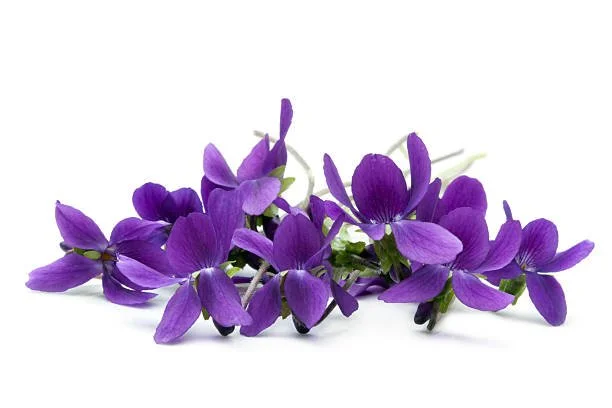
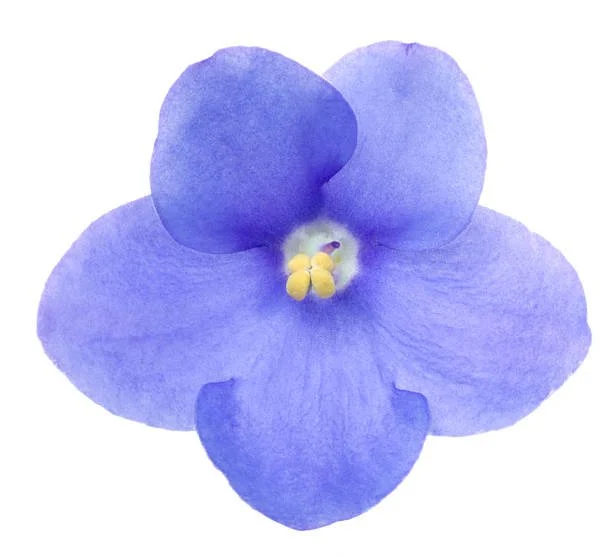
Botanical Description: Generally herbaceous, perennial flowering plant that grows 5-7 inches tall. Leaves and flowers grow on separate stems from rhizomes. (2) Most species have heart shaped leaves, but some have kidney-shaped, lanceolate or divided palmate leaves. Violets have two types of flowers. The one that is typically thought of is pollinated by insects and can have white, blue, yellow, or purple petals that may have hairs at the base. The second flower is typically white and grows underground. They are self-pollinating and release seeds directly into the soil or near the surface. (1)
Harvesting Guidelines: Flowers and leaves can be harvested in early summer and older leaves into late summer (3)
Constituents: Mucilage, flavonoids (rutin, violarutin), phenolic glycosides (gaultherin, salicylic acid methyl ester), saponins (myrosin, violin), alkaloids (odoratine), ionone, cyclotides, minerals (magnesium, calcium, potassium, phosphorus, iron, zinc), vitamins A and C
Make it stand out
Uses:
The moist, cooling properties help inflammatory conditions (1)
Can be used both topically and internally to help with eczema, acne, impetigo, psoriasis and cradle cap (1)
May help lymphatic conditions related to lymphatic stagnation (3)
Internal and external use may help with pain from arthritis (4)
The high concentration of the constituent rutin strengthens capillaries, revents platlet aggregation, and is anti-inflammatory making violet good for the physical and emotional heart (4)
Can ease the dry cough, sore throat, and fever associated with colds and the flu (5)
In Iran, violets are a traditional remedy for sleep (5)
Can be used as an eye and nasal wash for irritated eyes and sinuses especially during allergy or wildfire season (5)
Actions: Alterative, anti-inflammatory, antimicrobial, antioxidant, demulcent, diuretic, expectorant, lymphatic, nervine, nutritive
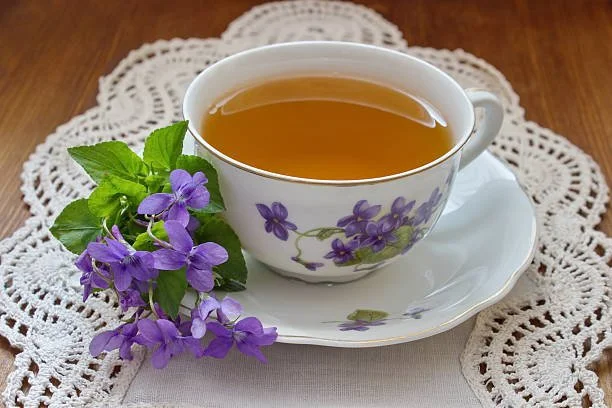
Preparations: Infusion, tincture or topical preparation
Make it stand out
Taste: bitter, pungent, sweet
Energy: cooling and moistening
Dosage:
Infusion: 1tsp dried herb in 8oz boiling water 3x/day
Tincture: 1-2mL (1:5. 40%) 3x/day
Contraindications: Roots are emetic and poisonous to humans. Herb may aggravate hemolytic anemia. (1)
Every plant teaches on more than one level. To explore violet’s message of tenderness, grief, and gentle transformation, visit the companion blog post below.
References:
🌿 Disclaimer
Cronefire Creations™ shares herbal information for educational and inspirational purposes only. It is not intended as medical advice. Please consult a qualified healthcare professional before using herbs, especially if pregnant, nursing, or taking medication.
Offer whatever name you wish to be known by at the hearth today — real or imagined — we look forward to welcoming your words into the circle.