
Lemon Balm Monograph
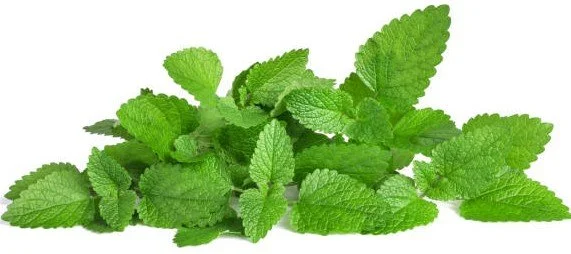
Botanical Name: Melissa officinalis
Common Name: Lemon balm, melissa, balm mind, balm, sweet balm, honey plant, heart’s delight
Family: Lamiaceae
Traditional Chinese Medicine Name: Xlang feng hua
Parts Used: Leaves, aerial parts
Native Region: Southern Europe and Mediterranean Basin to Central Asia (1)
Geographic Distribution: Europe, Russia, New Zeland, North and South America
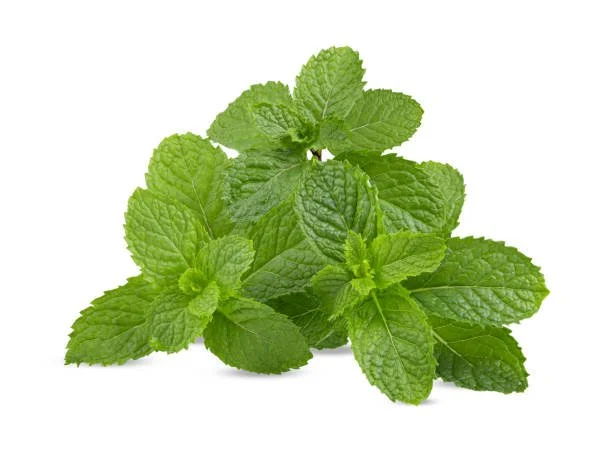
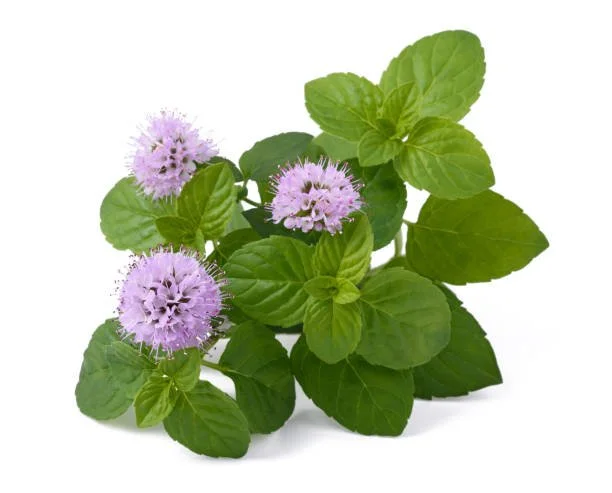
Botanical Description: Lemon-scented perennial that can grow up to 3ft (90cm) tall. Square stem that is characteristic of the mint family. Opposite leaves that are heart shaped (oval after flowering) with toothed margins and prominent veins. Flowers are bilabiate corollas and in clusters, usually white but may be slightly pink or yellow.
Constituents: Volatile oils (citral, caryophyllene oxide, linalool and citronella), flavonoids, triterpenes, polyphenols, tannins (2)
Uses: A relaxing tonic that may help with anxiety, mild depression, restlessness, and irritability by reducing feelings of nervousness and panic. It can also help with digestive problems caused by anxiety, (2) Lemon balm can sooth mild symptoms of mental stress, support healthy sleep, and ease mild gastrointestinal upset. (1) Its essential oil has antimicrobial properties that can help fight infections topically on skin wounds and internally against Candida albicans and bacteria like Staphylococcus aureus. (1) Its high concentration of flavonoids, which are powerful antioxidants, may provide anti-cancer effects. (3) There have been some studies that suggest that it may also improve alertness and cognitive performance. (4)
Actions: Relaxant, antispasmodic, carminative, anti-viral, nerve tonic (2)
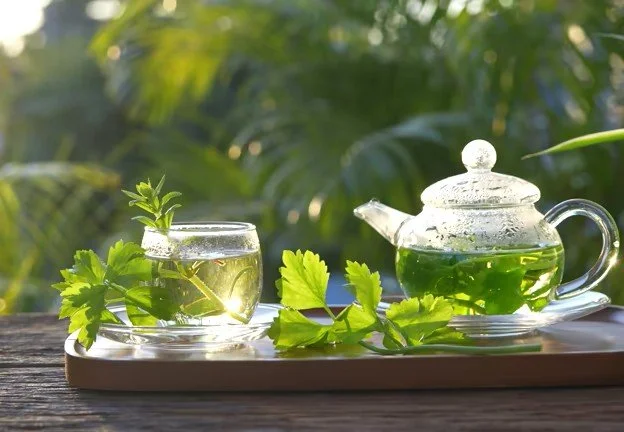
Preparations: Hot and cold infusions, tincture
Taste: Astringent, refreshing, sour, sweet
Energy: Cooling, drying
Dosage: tea – 1-2 tsp dried herb in 8fl oz water 2-4x/day
Cold infusion – 4-8fl oz (0.5oz dried herb in 1qt water)
1-4x/day
Tincture 3-5mL (1:5, 30%) 3-4x/day
Contraindications & Safety: Avoid using large doses with hypothyroid conditions or Hashimoto’s thyroid. May have a negative effect on thyroid hormone medications.
Ready to wander deeper into the garden?
Visit the Heart & Spirit Series to meet the herbs of love, joy, dreams, and wisdom.
References:
https://herbarium.theherbalacademy.com/monograph/lemon-balm/
Chevallier, A (2000) Encyclopedia of Herbal Medicine (2nd edition)
🌿 Disclaimer
Cronefire Creations™ shares herbal information for educational and inspirational purposes only. It is not intended as medical advice. Please consult a qualified healthcare professional before using herbs, especially if pregnant, nursing, or taking medication.
Offer whatever name you wish to be known by at the hearth today — real or imagined — we look forward to welcoming your words into the circle.